

BESS4 is the NSW scheme activity for qualifying battery installations at small and medium business premises. It forms part of the Peak Demand Reduction Scheme and can support an installation discount through participating providers.


Your electricity bill shows how much power you buy. It may not show how much of that cost could be managed by changing when you use stored energy. For some businesses, a battery can make better use of solar and reduce grid purchases during higher-priced periods. The BESS4 incentive may help lower the upfront cost of an eligible commercial battery installation in NSW. Speak with AAA Energy about your premises, existing solar and daily power use to explore the next step. Eligibility and the available discount need to be checked for your proposed system.
A battery is worth considering when it has a clear job to do. You might export solar during the day but buy electricity for evening trading. Or your workshop may have short bursts of high demand. These patterns help determine whether storage makes financial sense.
BESS4 is part of the NSW Peak Demand Reduction Scheme. It supports qualifying business battery installations that store electricity for later use. It is an incentive activity, rather than a battery brand or a standard package available to every business.
| Site location | Premises type | Minimum usable storage | Maximum usable storage | Required customer payment |
|---|---|---|---|---|
| Connected to the NSW electricity grid | Non-residential premises meeting scheme rules | More than 20 kWh | Up to and including 200 kWh | Minimum net payment of $5,000 excluding GST per implementation |
If your solar system produces more electricity than you use during the day, a battery can store some of that surplus. It can then supply suitable business loads later, when solar production drops and you would otherwise buy power from the grid.
Your tariff may charge different rates throughout the day. Storage can help shift some grid purchases away from higher-priced periods. The value depends on the price difference, charging costs, energy losses and how often the battery can be used.
If backup matters, identify the equipment you need to keep running. A suitable backup design may support agreed loads during a blackout. The battery, inverter and wiring must be designed for this purpose, and available power and runtime will have limits.
some businesses pay demand charges based on their highest grid usage. A battery may help reduce these peaks when its output and controls match the timing of those loads. Your electricity contract needs to be reviewed to see whether this opportunity applies.
Battery placement affects access, cable routes and installation work. The proposed location must allow the clearances, protection and environmental conditions required for the equipment. Discuss these details early so they are included in the project scope.
Longer opening hours, new machinery or an EV charger can change how you use electricity. Include those plans in the initial discussion. Any later expansion will depend on equipment compatibility, available space, electrical limits and the rules that apply at the time.
Suitable monitoring can show when the battery charges, discharges and supplies your business. The information available depends on the equipment and setup. Reviewing it can help you understand day-to-day operation and whether the settings suit your trading hours.
A larger battery only helps if your business has a useful way to charge and discharge it. Start with when you buy electricity, when your solar exports occur and which costs you want to manage.
Two figures matter. Capacity, measured in kWh, describes the energy stored. Power, measured in kW, describes how quickly the system can deliver that energy. Both need to suit the equipment you want to supply.
A sizing discussion should cover:
Recent bills are a useful start. Meter interval data, which records electricity use in short time blocks, gives a clearer picture of when storage could help. The recommended size should follow that evidence.
The battery price is one part of the total. Inverter equipment, switchboard changes, cabling, access, mounting and any backup circuits can all affect the installed cost. Ask for a written quote that explains the complete job. Your proposal should show the equipment and quantity, usable capacity, power output, installation work, monitoring, warranty terms and exclusions. Any proposed BESS4 discount and the amount you pay should be easy to identify. BESS4 requires a minimum net customer payment of $5,000 excluding GST for each implementation. This is a payment requirement, not a rebate amount or a fixed system price. Your total cost may be higher, and the required payment cannot be reimbursed.
Participating installers work with an Accredited Certificate Provider, or ACP. The ACP creates Peak Reduction Certificates for qualifying installations. This helps fund the incentive, which is usually shown as an upfront discount in the installation quote. There is no single discount that applies to every project. Check the proposed amount, your contribution and any conditions before you agree to proceed. Complete the required nomination paperwork before installation begins.
Choosing storage is easier when the proposal answers your everyday questions. How will the system charge? Which costs could it help manage? What will the complete installation cost? Talk to AAA Energy about:
Start with a recent bill and the details you have. Ask which commercial options and BESS4 assessment arrangements are available for your location.
Warranty terms vary between products. Check the battery and inverter documents for the exact models in your quote, including the cover period, operating conditions and limits on energy delivered over the battery's life. A performance warranty may describe how much capacity the battery should retain under stated conditions. It does not promise the same electricity savings or backup runtime every year. The selected equipment must also meet BESS4 warranty requirements. Keep your invoice, product details, installation records and warranty documents. Ask who to contact if a fault occurs and what information you will need to provide.
An existing commercial solar system may be suitable for a battery addition, subject to compatibility and site checks. Battery-only installations may also qualify under BESS4. Installing eligible new or additional solar within 90 days before or after the battery can support a higher incentive calculation. Solar sizing rules also apply. Ask the provider to check the proposed timing and configuration before relying on a larger discount.
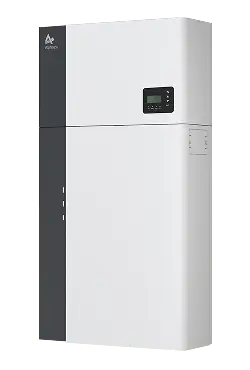
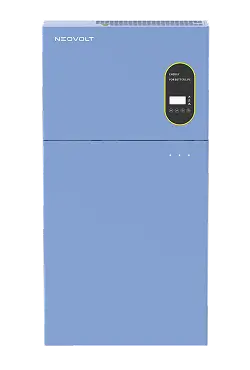















 Get Expert Quote
 54 Godfrey Glade, Schofields NSW 2762